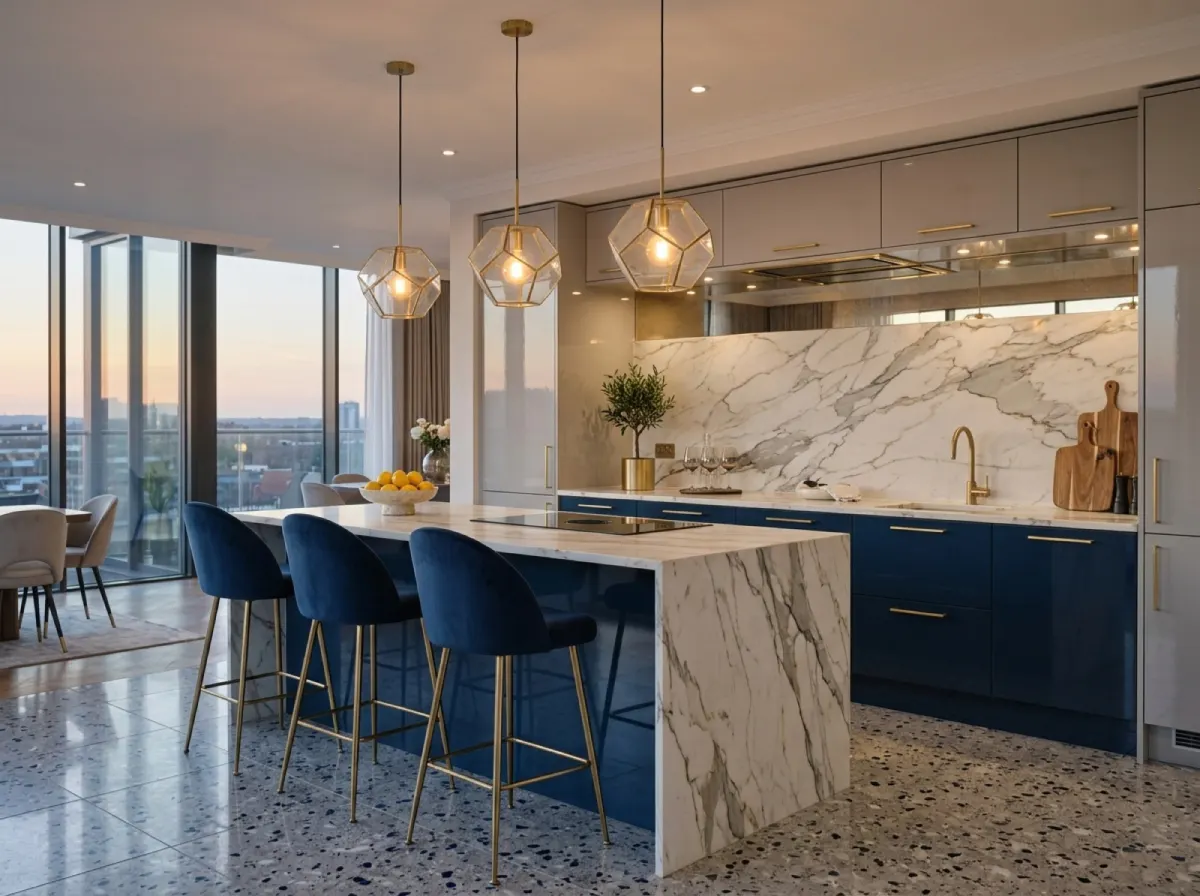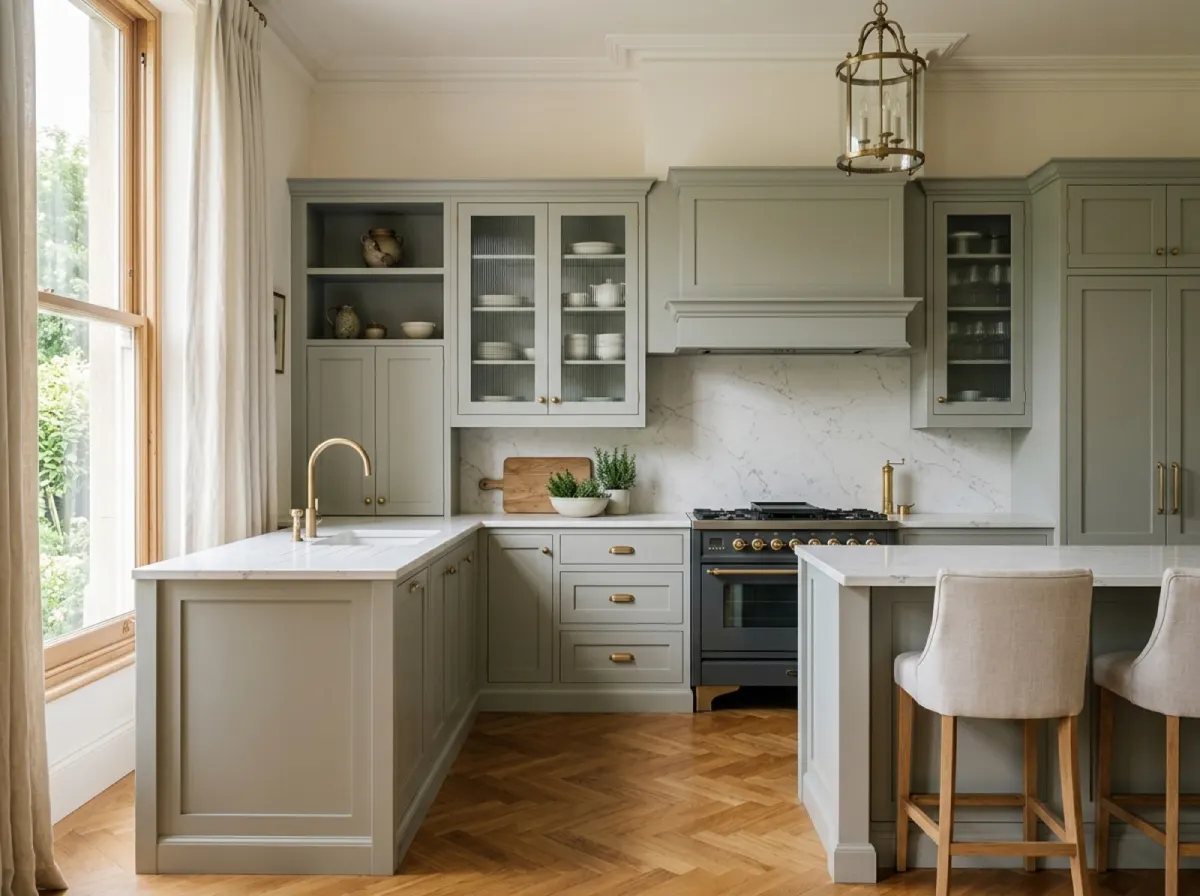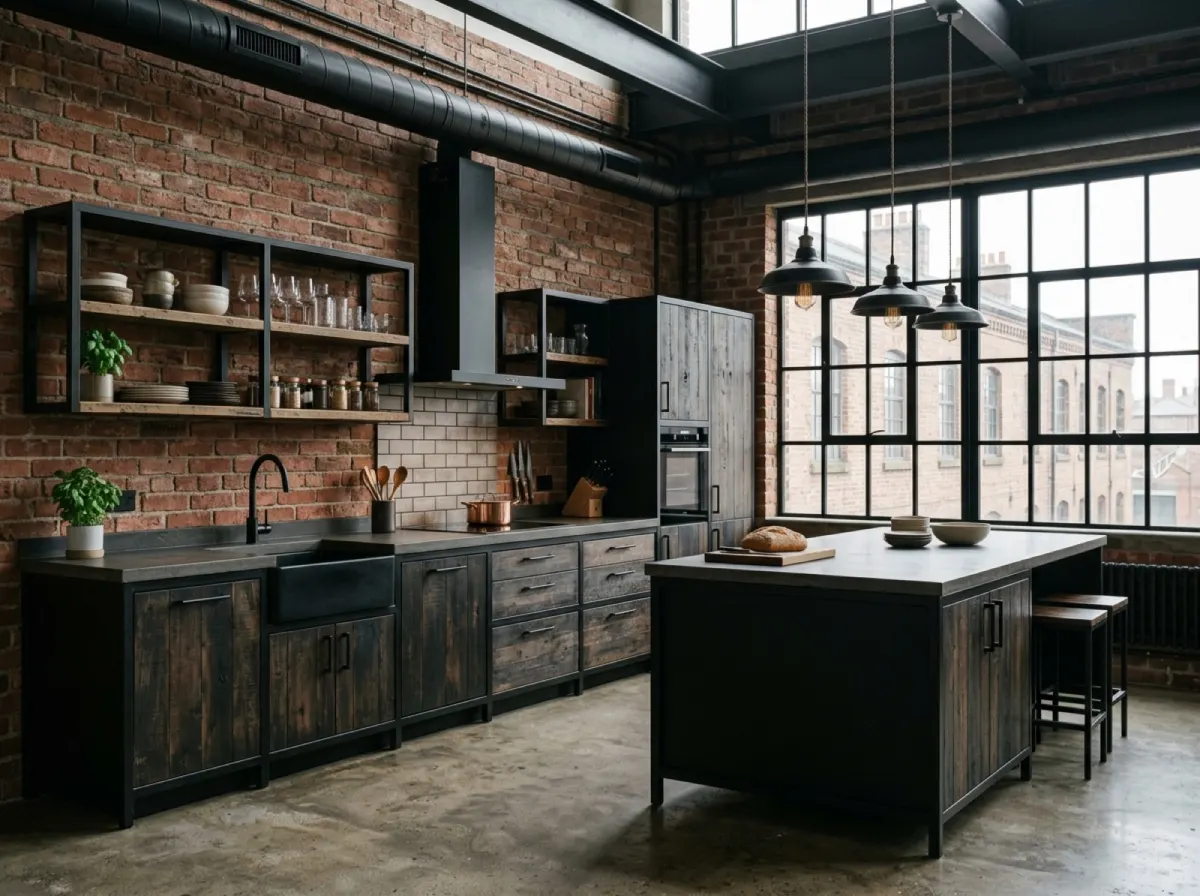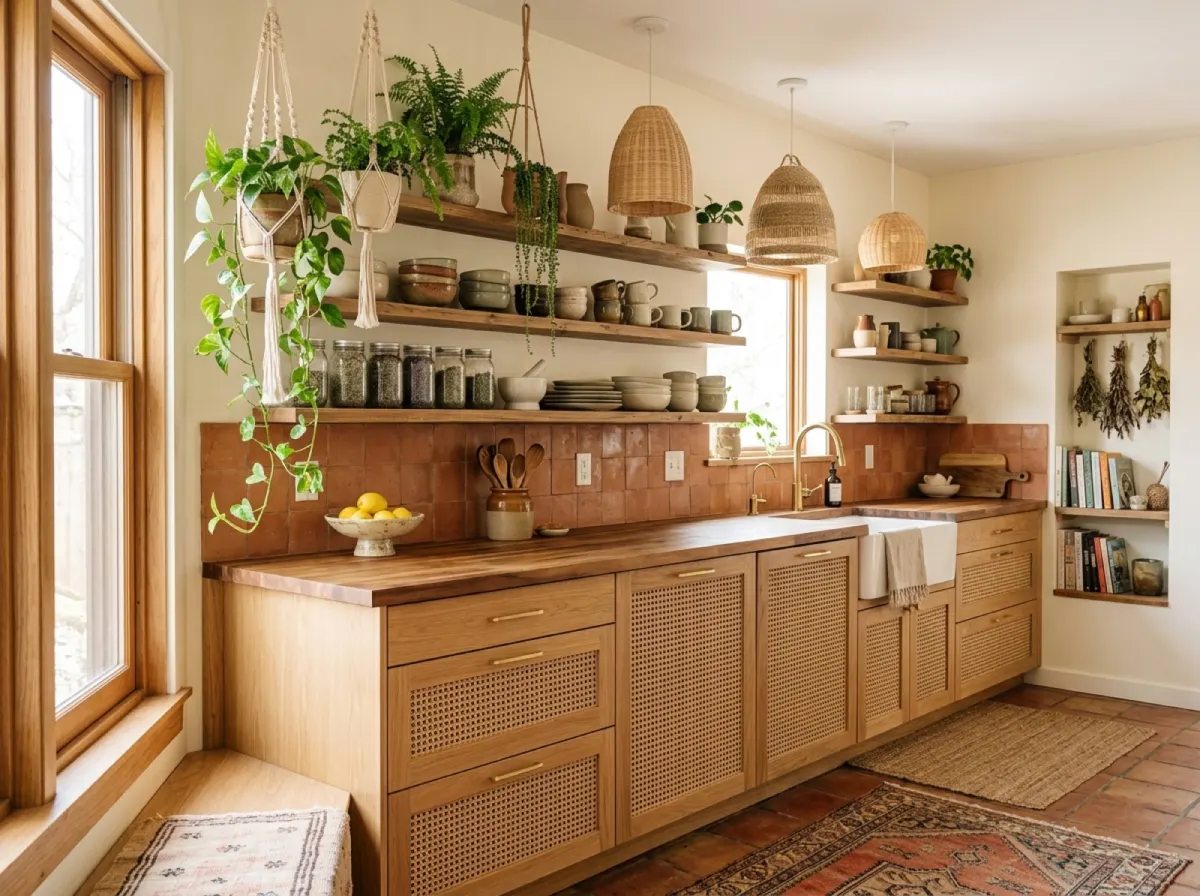
Boho style means warmth, natural materials and controlled eclecticism. See how to bring rattan, light wood and greenery into bespoke furniture at home.
Boho style means warmth, freedom and natural materials, where rattan, light wood and greenery build a space full of individual character.
What boho style is
Boho, short for bohemian, grew out of an artistic, somewhat nomadic way of life in which the home was a place of expression rather than a display of status. Over time this aesthetic moved into interiors, blending ethnic influences, craft and nature into one warm whole. Contemporary boho is not a chaotic collection of travel souvenirs but a considered composition in which the freedom is only apparent.
At the heart of the style lies naturalness. Boho values materials that live: wood, rattan, linen, ceramics and wool. Each object has its own story and texture, and the interior feels as though it was built over years, even though it can be designed deliberately from the start. It is an aesthetic in which imperfection can be a value, and a handmade detail counts for more than a smooth, factory surface.
In practice there are several variants. Classic boho is colourful and dense, full of ethnic patterns, macrame and layered textiles. Scandinavian boho, sometimes called scandi-boho, is brighter and more restrained, based on white, light wood and single natural accents. There is also a boho-nature current dominated by plants, weave and earth tones. They share the same foundation: warmth and controlled eclecticism.
Control is the key word here. A well designed boho interior has rhythm and points of rest, despite its wealth of textures. That is why it is increasingly built around a durable base of bespoke furniture, onto which a layer of decoration is only then applied. This structure keeps the space coherent even when the accessories change.
Key features of boho style
We recognise boho by a few recurring elements that together create its distinctive, warm mood. Here are the features worth knowing before designing.
- Natural materials. Wood, rattan, Viennese cane, linen and cotton form the base. Synthetic materials appear rarely and mostly in the background.
- Viennese cane in fronts. An openwork weave in cabinets, display units and doors is a hallmark of contemporary boho. It gives lightness and texture without the weight of a solid panel.
- Open shelves. Shelves with ceramics, books and plants replace some closed cabinets, showing objects instead of hiding them.
- Plenty of greenery. Potted and hanging plants are a full element of the composition, not just decoration. They shape the colour and mood of the interior.
- Layered textiles. Rugs, throws, cushions and macrame applied in layers build depth and softness in the space.
- Controlled eclecticism. Combining ethnic patterns, eras and textures, but within a coherent colour palette that ties the whole together.
These elements do not all have to appear at once. In smaller interiors a few strong accents are enough to achieve a boho mood without overload. In larger spaces you can allow a fuller layer of textures and patterns.
Hierarchy matters. Boho copes well with richness, provided there is a clear reference point: a coherent wall colour, a repeated furniture material or one dominant pattern. Without such an axis the interior quickly turns into a random collection of objects.
Materials and colours
Material is as important in boho as form. The base is wood species in a light, warm shade: oak, ash, birch. In bespoke furniture fronts wood often combines with Viennese cane, which introduces openwork and a play of light. Where greater durability is needed, carcasses are made from boards in a wood-look European-class finish, which keeps the natural look under daily use.
Stone and its imitations appear in points, on kitchen worktops and in the bathroom. Sintered stone and conglomerates with a matt, raw texture work well and pair nicely with wood and terracotta. Metals are rather muted: black, matt brass, or aged finishes that do not strip the interior of its warmth. Glossy chrome would feel alien here.
The boho palette rests on earth tones. Creams, sand, beige and broken white form the background against which accents of terracotta, ochre and deep green appear. These warm shades harmonise with plants and natural wood, building a coherent, cosy mood. Cool, vivid colours are rare in this style, as they would disturb its natural character.
Texture has special meaning here. Boho likes matt surfaces, slightly rough, with a visible grain or weave structure. Durability is achieved not through gloss but through the choice of solid materials and careful edge finishing. Well chosen wood and European-class veneers age gracefully, and small signs of use fit into the philosophy of the style rather than harming it.
Who boho style is for
Boho is chosen by people who value warmth and individuality, and who look for atmosphere in an interior, not only function. It is a style for those who like to surround themselves with objects that have a history, plants and natural textures, while wishing to keep order and coherence. It works well for families, couples and people working from home, who treat the space as a backdrop for everyday life.
It works well in flats and houses where we care about cosiness without the weight of the classic style. If you are planning a space for the home, boho gives a lot of freedom: you can start with a light, natural base of bespoke furniture and gradually add layers of textiles and decoration. This strategy spreads the budget over time and lets the interior mature together with its residents.
Boho also finds its place in commercial spaces with a human character. Cafes, studios, boutiques and relaxation zones in offices use its warmth to soften a formal tone. In projects for business this style builds the impression of an authentic and friendly place, which is sometimes more valuable than cool minimalism. Moderation remains the key, so the interior does not lose its functionality.
How to introduce boho style in bespoke furniture
Bespoke furniture is a natural choice in boho, because it lets you reconcile the relaxed character of the style with the real dimensions of the room. Instead of looking for ready-made blocks, you design built-in units fitted to recesses, slopes and passages, and only then build a layer of decoration on top. As a result the interior looks light, although it is in fact densely planned.
In a boho kitchen, fronts with Viennese cane, open shelves for ceramics and an island or table of solid wood work well. Upper cabinets are sometimes replaced by open shelving, which underlines the relaxed character. In wardrobes and cabinets the cane appears in doors, combined with light wood and natural handles. It is worth seeking inspiration in our portfolio, where you can see how these solutions work in real interiors.
In the living room and bedroom, bespoke furniture creates a calm backdrop for textiles and plants. Low chests, built-in units around the bed, and benches of wood and rattan let you keep order without stiffness. It is important to leave room for open shelves and the display of objects, because these give the interior its personal touch.
Built-in lighting plays a subtle but important role in boho. Warm light hidden under shelves, in cornices and inside cane display units underlines the texture of the materials and brings out the depth of the earth colours. Sharp, cool spotlighting is avoided in favour of diffused, soft sources that build the mood in the evening.
Boho style in different rooms
Boho can be introduced in any room, although each is governed by slightly different rules. Below is a short note on the most important zones.
Kitchen
A boho kitchen combines function with warmth. Cane fronts, a worktop with a raw texture and open shelves for ceramics create a space where cooking is part of life, not a hidden activity. It is worth keeping a practical work zone and not overloading it with decoration, so daily use remains comfortable.
Living room
The living room is the heart of boho and a place for layered textiles, plants and furniture of natural materials. Bespoke units around the TV wall or fireplace give a calm backdrop on which rugs, throws and macrame build depth. This is where eclecticism has the most freedom, provided the palette stays coherent.
Bedroom and wardrobe
In a boho bedroom softness and warmth dominate. Built-in units around the bed, light wood and cane in wardrobe doors create a coherent, cosy whole. Textiles in shades of sand and terracotta together with single plants complete the mood, while closed storage keeps order behind the openwork fronts.
Bathroom and entrance zone
In the bathroom boho is introduced cautiously, combining moisture-resistant wood, matt stone and natural textiles. The entrance zone is a good place for cane units, a bench and open shelves that greet residents with warmth from the first step. Order matters especially here, as the entrance sets the tone for the whole interior.
Well designed boho gains value over time. Natural materials and solid bespoke units age gracefully, and the interior does not go out of fashion as quickly as solutions based on passing trends. Small signs of use on wood or cane do not spoil the effect but deepen its character.
Importantly, boho always allows an individual accent. A travel souvenir, an inherited piece of furniture, a hand-woven rug or favourite ceramics find a natural place here. It is a style that leaves room for a personal story rather than smoothing it down to nothing.
The most common mistakes
The most common mistake is overload. Boho tempts with a multitude of textures and patterns, but without selection the interior turns into a storeroom of objects. The remedy is a clear base and a limited colour palette to which decoration is matched. It is better to have a few strong accents than dozens of weak ones.
The second mistake is the lack of a compositional axis. When every element draws the eye in a different direction, the interior tires rather than calms. It is worth setting a dominant feature, for example a cane wall or a large rug, and building the rest around it. The remaining objects should accompany it, not compete with it.
The third trap concerns sham materials. Cheap plastic pretending to be rattan or foils imitating wood quickly betray themselves by texture and strip the interior of the authenticity that is the essence of boho. It is better to invest in fewer elements made of real, durable European-class materials.
The fourth mistake is ignoring function. Open shelves and display look beautiful in photographs, but in daily life they require order and dust under control. That is why some storage is worth closing behind cane fronts, combining aesthetics with practicality. The balance between what is exposed and what is hidden decides the durability of the effect.
How we do it at Grandis
We have designed and produced bespoke furniture for over 15 years, in our own plant covering 3 000 m². We have more than 300 completed projects behind us, and we begin each one with laser measurement and a 3D visualisation, which we include in the project price. As a result, even before production you can see how cane, wood and earth colours will play in a specific room.
We work with European-class materials and certified fittings, and installation is carried out by our in-house team, not subcontractors. A standard project takes 2-4 weeks, and the price is fixed, with no annexes along the way. This way of working suits boho especially well, where the natural base must be durable so it can carry changing layers of decoration for years.
The natural base must be solid, because it is what lets the interior mature over years without losing its coherence.
Frequently asked questions
Is boho suitable for a small flat
Yes. In a small space a light base, a few natural textures and single plants are enough. Cane in fronts and open shelves add character without visual weight, and a muted palette visually enlarges the interior.
Is Viennese cane durable
A well made cane set in a solid wooden frame is durable and resistant to daily use. The key is quality material and careful installation, which is why we use European-class solutions in fronts.
How does boho differ from Scandinavian style
Scandinavian is cooler and more minimalist, boho warmer and more eclectic. They share light wood and natural materials, but boho allows more patterns, textures and earth tones.
Is bespoke boho furniture expensive
The cost depends on the scope of the built-in units and the chosen materials. Bespoke furniture, however, lets you spread the investment, starting with a durable base to which further elements and decoration are added over time.
How to keep order with open shelves
It is best to combine display with closed storage behind cane fronts. Open shelves are reserved for selected objects, and the rest is hidden, which keeps the sense of freedom without clutter.