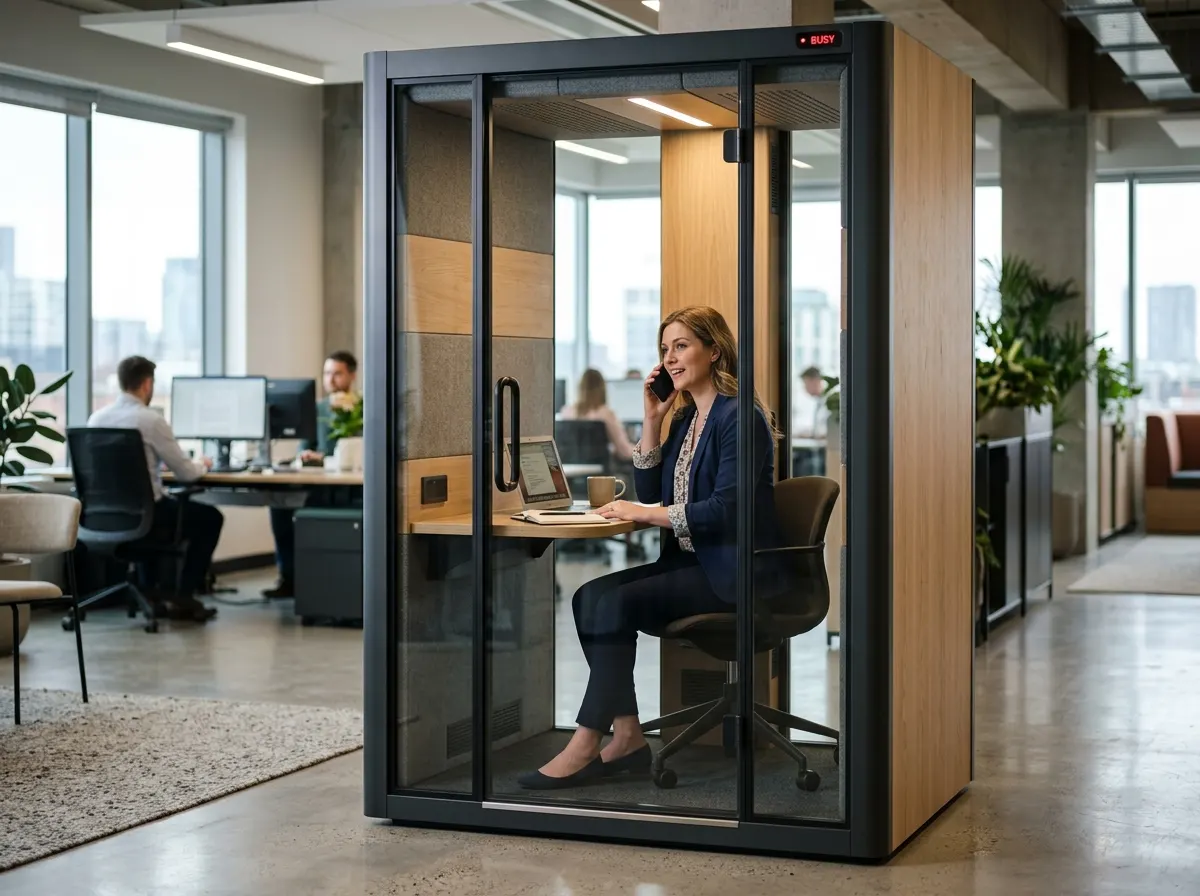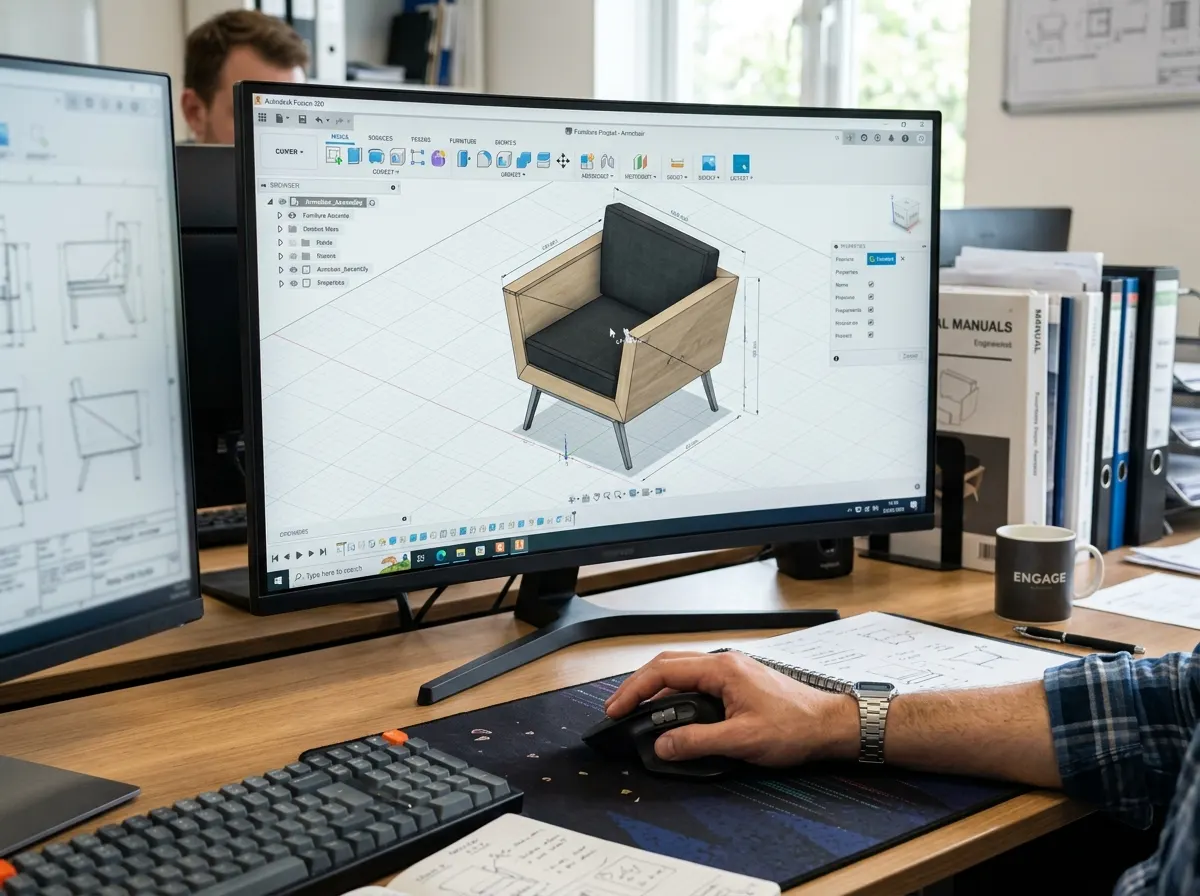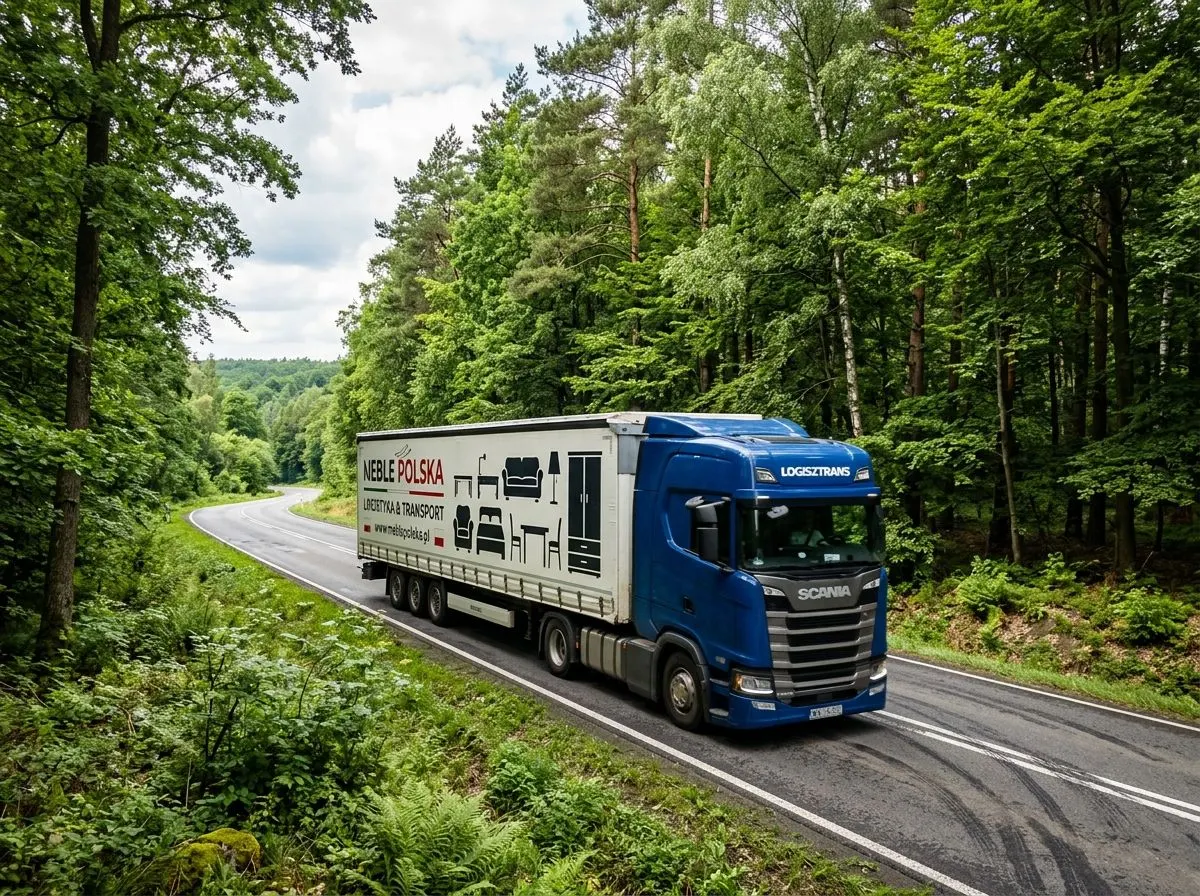
A comparison of European and Asian custom furniture manufacturers: lead time, logistics, quality control, project flexibility and total cost.
In this article
- Why the question matters now
- European vs. Asian manufacturer: comparison
- Lead time and logistics
- Quality control and EU requirements
- Project flexibility
- Cost: count the whole project
- Where Asian manufacturers are strong
- Sustainability and ESG reporting
- How to choose a manufacturer
- Grandis — a European manufacturer
- Frequently asked questions
When choosing a custom furniture manufacturer, a client is really choosing between two models: production in Europe and import from Asia. The price on the quote is only part of the picture: lead time, quality control, project flexibility, compliance with European requirements and resilience to logistics disruptions matter just as much. Below is a comparison of the two models on the key parameters, and guidance on how to choose for your task.
Why the question matters now
The pandemic, congested ports, the Suez Canal blockage and higher container freight costs showed that long supply chains are vulnerable. For custom furniture, made to exact dimensions and an opening date, a delayed batch means the whole project stands still.
Hence the interest in near-shoring — locating production closer to the market. For a European client, that means a manufacturer in Europe, with finished products delivered by road.
European vs. Asian manufacturer: comparison
| Parameter | European manufacturer | Asian manufacturer |
|---|---|---|
| Logistics | Road delivery, typically days | Sea freight, ports, customs — typically weeks |
| Time from order to installation | Shorter and easier to predict | Longer, depends on ports and vessel schedules |
| Changes after ordering | Possible until the material is cut | Limited or not possible |
| Quality control | Materials and progress can be checked in person | A separate pre-shipment inspection is needed |
| Compliance with European standards | Materials and documents built for EU requirements from the start | Compliance has to be confirmed separately |
| Warranty and service | Direct contact with the manufacturer, faster response | Claims via intermediaries, slower |
| Small and non-standard orders | Feasible | Often limited by minimum batch size |
| Unit price | Usually higher | Usually lower, especially on large series |
| Total project cost | Predictable: price fixed in the contract | Grows with freight, duties, delays and claims |
| Transport carbon footprint | Lower (short haul, road transport) | Higher (sea freight plus inland delivery) |
Actual lead times and costs depend on the project, materials and order size — the table shows the general logic, not guaranteed figures.
Lead time and logistics
The main advantage of a European manufacturer is a short, manageable chain. Finished products travel by road within the EU, with no port transfers or customs clearance, so the schedule is easier to plan and align with the progress of a renovation or construction.
With imports from Asia, lead time is made up of production, waiting for a vessel, the voyage, unloading, customs and delivery to site. Each stage is a separate risk of delay, and the client has almost no influence over it.
Quality control and EU requirements
When the manufacturer is in Europe, the client or their supervisor can visit, inspect materials, approve samples and accept the work without intermediaries. Materials, hardware and documentation are built around European requirements from the start: formaldehyde emission class, chemical safety, declarations and technical data sheets for tenders.
With imports this is also possible, but it costs extra: a separate pre-shipment inspection, document checks and confirmation of compliance with European standards.
Project flexibility
Custom furniture is almost always refined along the way: niche dimensions, facade colour or layout change. A European manufacturer can make changes until the material is cut, without losing time. When ordering from Asia, changes after production has started are usually expensive or impossible, and a dimension error means a reorder and another freight shipment.
Cost: count the whole project
The unit price from an Asian manufacturer is often lower. But the total cost of an import includes freight, insurance, customs duties, inspection, possible delays and claims and, for business clients, the loss from a missed opening date. That is why the cost of the whole project is what should be compared.
Another factor is rising material prices after the contract is signed. European manufacturers can usually fix the price in the contract, giving the client a predictable budget.
Where Asian manufacturers are strong
An honest comparison also has to include the strengths of imports: large series of standard products, a wide choice of ready-made collections and a low unit price at high volumes. If a client needs hundreds of identical items without tight deadlines, import can be justified. For custom furniture made for a specific space with a hard handover date, European production more often wins.
Sustainability and ESG reporting
Companies reporting under ESG, GRI or CSRD consider material origin and transport distance. Short delivery across Europe and a European material base help simplify the “responsible procurement” section (Scope 3 emissions). If your tender requires environmental declarations, request them at the brief stage.
How to choose a manufacturer
- Timelines and stages. Measurement, design, manufacturing, delivery and installation should be described in advance.
- Price in the contract. Ask what it includes: design, manufacturing, delivery, installation.
- Room for changes. Adjustments cost least before the material is cut.
- Material documentation. Declarations, certificates, technical data sheets.
- Logistics. Delivery method and time, responsibility for damage in transit.
- Service after installation. Warranty terms and claims procedure in the contract.
- Portfolio. Completed projects similar to your task.
Grandis — a European manufacturer
Grandis is a European manufacturer of custom furniture for homes and businesses. Production space: 3,000 m². We deliver furniture across Europe. A project goes through four stages: measurement, 3D design, manufacturing and installation. The measurement visit is free and takes place within 48 hours of your enquiry, the 3D design is included in the price, and the price is fixed in the contract.
Private clients can start with the short quiz, which helps prepare a preliminary estimate. Companies may prefer the B2B brief form; terms for business are on the for business page. Examples of work are in the portfolio: residential and commercial projects.
Frequently asked questions
Is furniture made in Europe more expensive than Asian furniture?
The unit price is often higher, but the total project cost is comparable or lower: imports add freight, customs, inspection, possible delays and claims. Compare the budget of the whole project.
How much faster is European production?
There is no universal number: lead time depends on the project and materials. The fundamental difference is that delivery within Europe takes days, while sea freight from Asia takes weeks and depends on ports.
Can the project be changed after ordering?
With a European manufacturer usually yes, until the material is cut. When ordering from Asia, changes after production has started are usually expensive or impossible.
Where does Grandis deliver?
Across Europe. Delivery terms and lead time for a specific address are agreed at the project stage.
How quickly can a free measurement be arranged?
Within 48 hours of your enquiry. Call +48 453 436 171, message us on WhatsApp (wa.me/48453436171) or, for a business project, fill in the brief.
Can I get material documentation for a tender?
Yes — request the set you need at the brief stage: declarations, technical data sheets, certificates and data for ESG reporting.
Planning a project and need a European manufacturer with a clear timeline and price? Contact Grandis: free measurement within 48 hours, 3D design included, fixed price in the contract. Phone: +48 453 436 171 or the B2B brief.
Article updated: 30 September 2026